
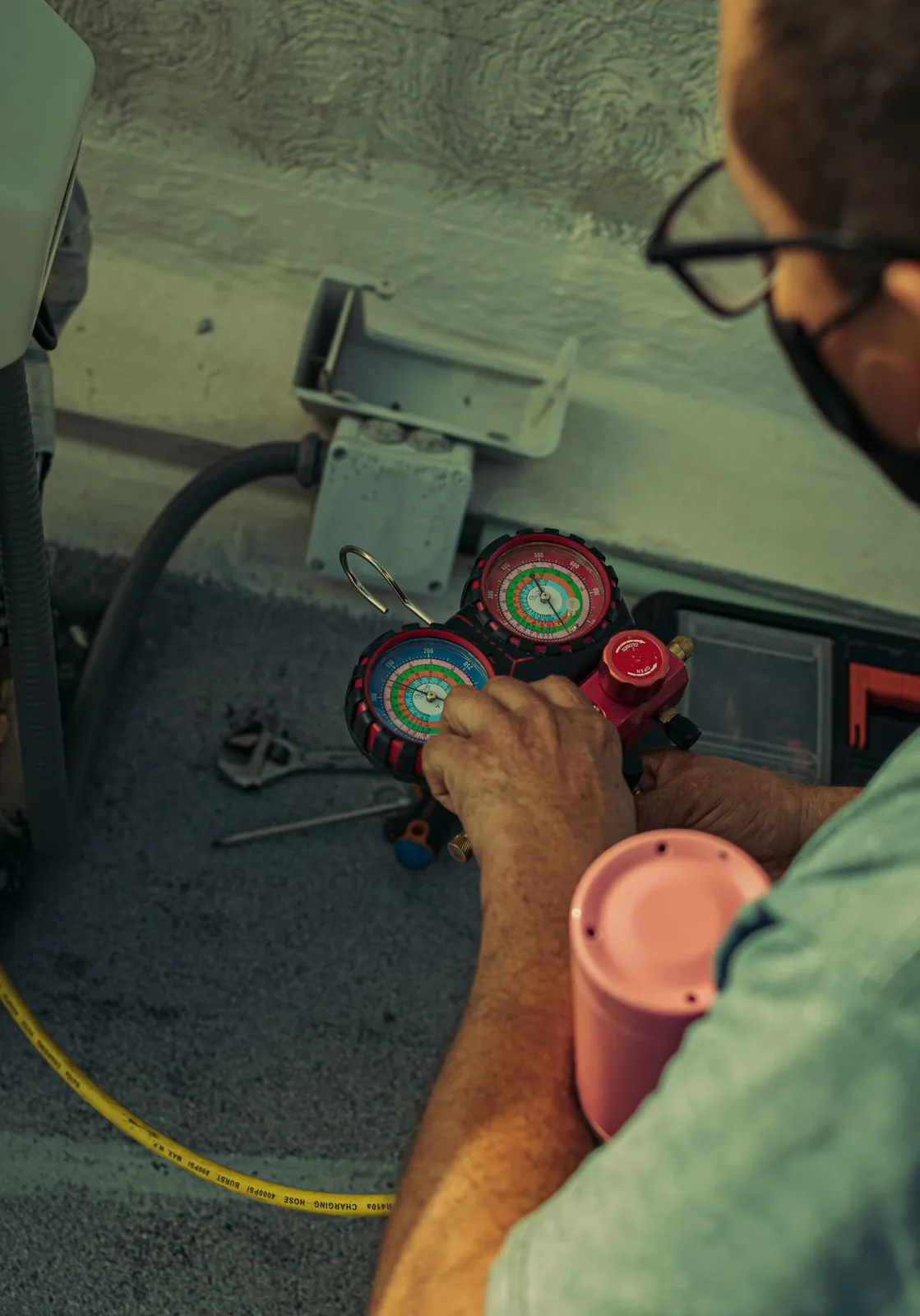
01 / Diagnose
Furnace repair
Call when the heat is out, the furnace keeps restarting, airflow has weakened, or a new sound or ignition problem appears.
When the furnace quits, one call routes you to an independent heating professional.
When the heat goes out—or the furnace starts acting up—we help you reach an independent heating professional for repair, maintenance, or a replacement evaluation.
Free referral service. We may be paid for calls.
Preview number — not live. In the launched site, calls may be routed to an independent provider. Confirm credentials, availability and price directly before authorizing work.
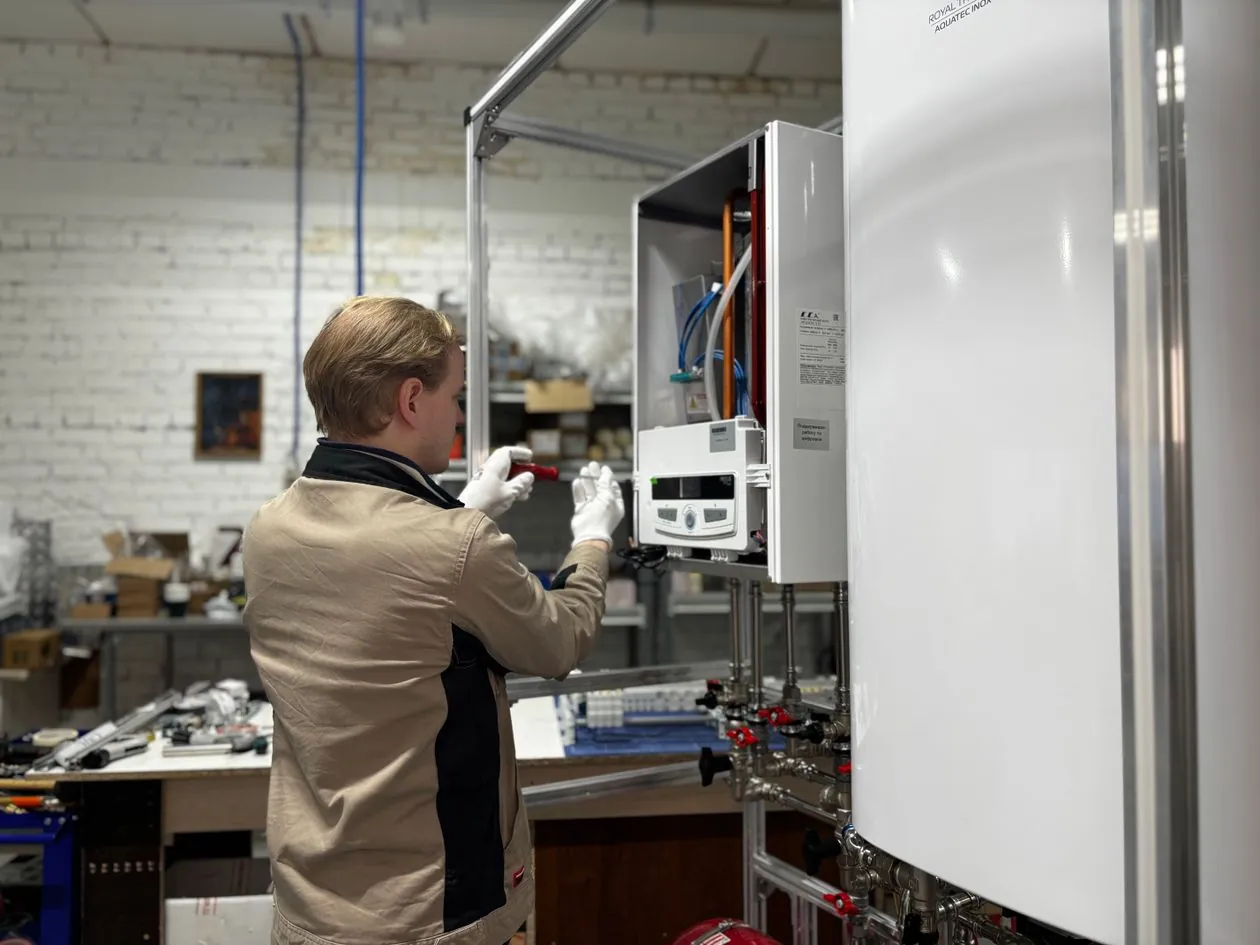
Have your ZIP code, fuel type, and a plain description of what the thermostat and furnace are doing.
Planning estimates only. The final price is confirmed on-site after diagnosis; ask for the full written total before work begins.
Pick the symptom that comes closest. We’ll show you what is safe to observe, what to mention on the phone, and when to stop troubleshooting and leave the house.
We’ll give you a few safe observations to make before you call.
No heat, poor airflow, seasonal maintenance, and replacement planning call for different kinds of service. Start with the closest match; the independent provider can confirm what is available in your ZIP code.
Call when the heat is out, the furnace keeps restarting, airflow has weakened, or a new sound or ignition problem appears.
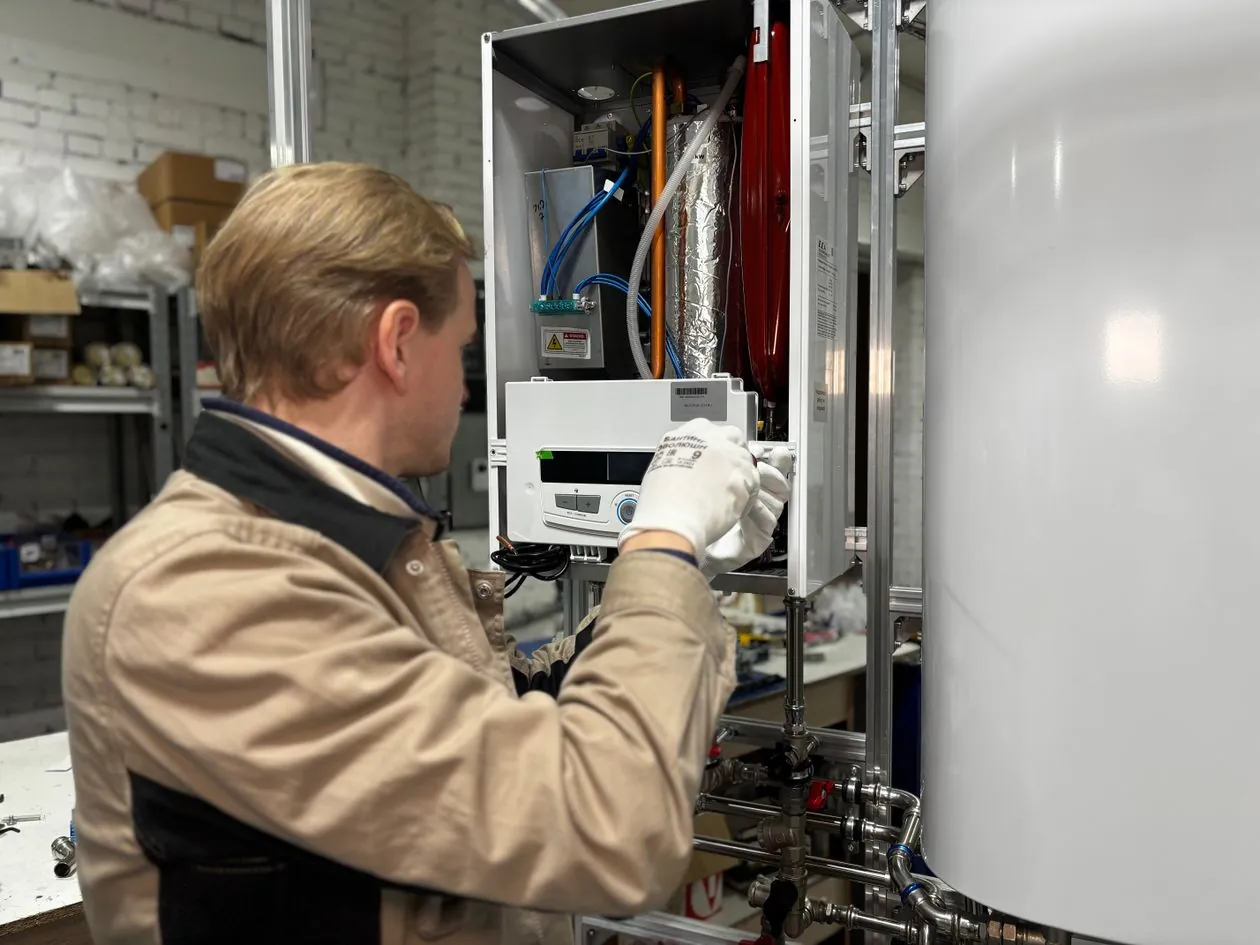
Ask for a load-based sizing recommendation and a proposal that covers efficiency, venting, controls, removal, permits, and warranties.
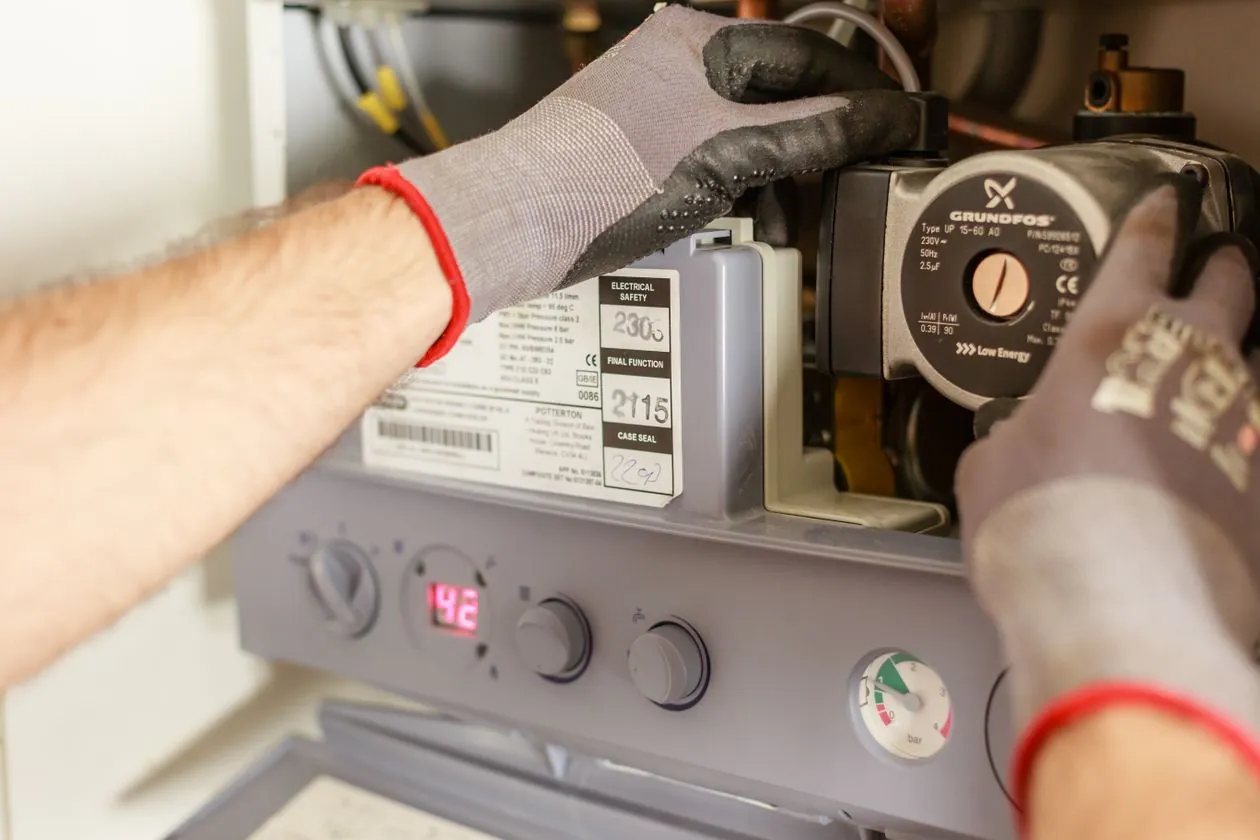
Have the system inspected and cleaned before long winter run times expose a preventable airflow, combustion, or wear issue.
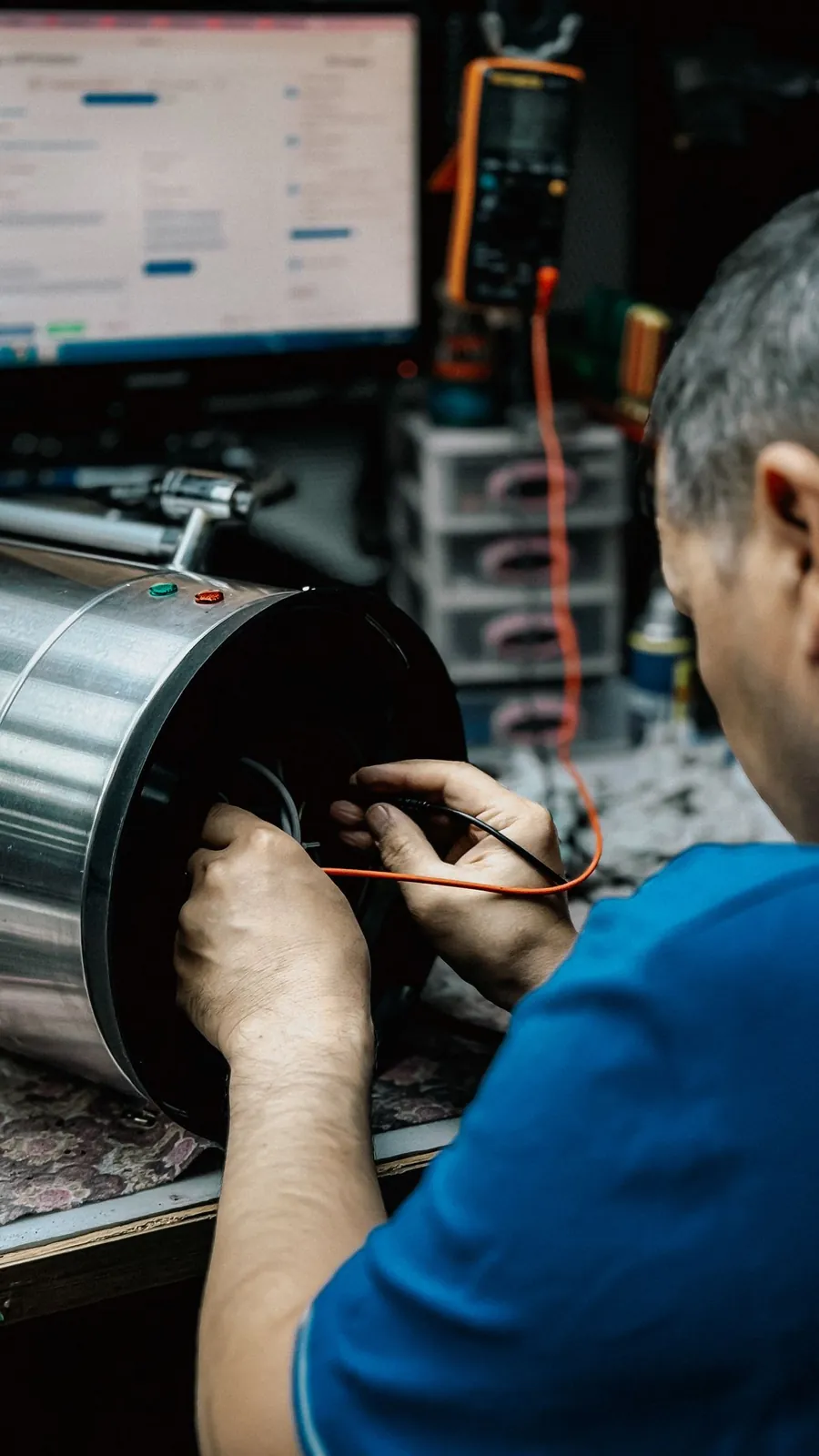
Use this for an active no-heat failure or another time-sensitive heating problem. After-hours response depends on the provider and ZIP code.
The furnace is only one possibility. The thermostat, controls, blower, ductwork, airflow, or venting may be responsible. A careful visit begins with the symptoms and a diagnosis, not a guess at which part to replace.
For a furnace that quits overnight or during a cold spell, ask whether 24-hour or same-day service is available for your ZIP code. Response depends on the independent provider’s schedule and capacity.
Cold rooms, weak airflow, short cycling, and unusual noise may point to the furnace or to controls and air distribution. Describe the pattern so the technician can inspect the complete system.
If you smell gas, see smoke, or hear a carbon monoxide alarm, leave the property and call emergency services or the gas utility from a safe location.
Keep it simple. Do not remove a furnace panel or work on gas, wiring, venting, or combustion equipment.
Get everyone outside right away. Once you are safely away from the building, call emergency services or the gas utility. Do not flip a switch, light a flame, or use equipment on the way out.
FurnaceFox routes the call; the independent local professional handles scheduling, diagnosis, pricing, and any work you approve.
Give the ZIP code, fuel type, and a short account of what changed so the call starts with useful details.
Confirm service coverage, the arrival window, and what the diagnostic charge includes.
Review the written scope, total price, credentials, insurance, and applicable parts-and-labor warranty.
Each guide reflects local housing and winter conditions. It is not a promise that a technician is available; the independent provider must confirm the address, schedule, and current coverage when you call.
Not sure which guide fits? Call and we'll route you.
Service areas, pricing, licensing, and insurance vary. Confirm each one with the independent provider.
Check the thermostat, breaker and filter only if you can do so safely. If you smell gas, see smoke or a carbon monoxide alarm sounds, leave the property and contact emergency services or your gas utility from a safe location.
No. FurnaceFox is a service-area connection resource. Calls may be routed to an independent heating professional. Confirm licensing, insurance, availability, scope and pricing directly with the provider before work begins.
There is no reliable flat answer without a diagnosis. Ask what the trip or diagnostic charge covers, then review the written repair total before anyone starts work.
Yes. Be ready to discuss the home, current system, fuel type and comfort concerns. A qualified provider should assess sizing and installation requirements rather than quote solely from square footage.
A national planning estimate is about $318, with many repairs estimated around $133–$505 (Angi 2026 national averages). Those figures are estimates only; the actual total depends on the diagnosis, equipment, parts, labor, location, and timing.
A national planning estimate is about $5,200 installed, with a broad estimated range of roughly $3,200–$7,800. Home size, efficiency, fuel type, duct or vent changes, permits, and labor can materially change the written quote.
Online figures describe a broad market, not the furnace in front of the technician. Ask for the diagnosed fault, diagnostic fee, complete repair price, and warranty in writing before approving work.